
Benefits
What better water actually changes.
Hard water is found in more than 85 % of Canadian homes, so most of what follows is not exotic. It is the difference between water that works with your house and water that quietly works against it.
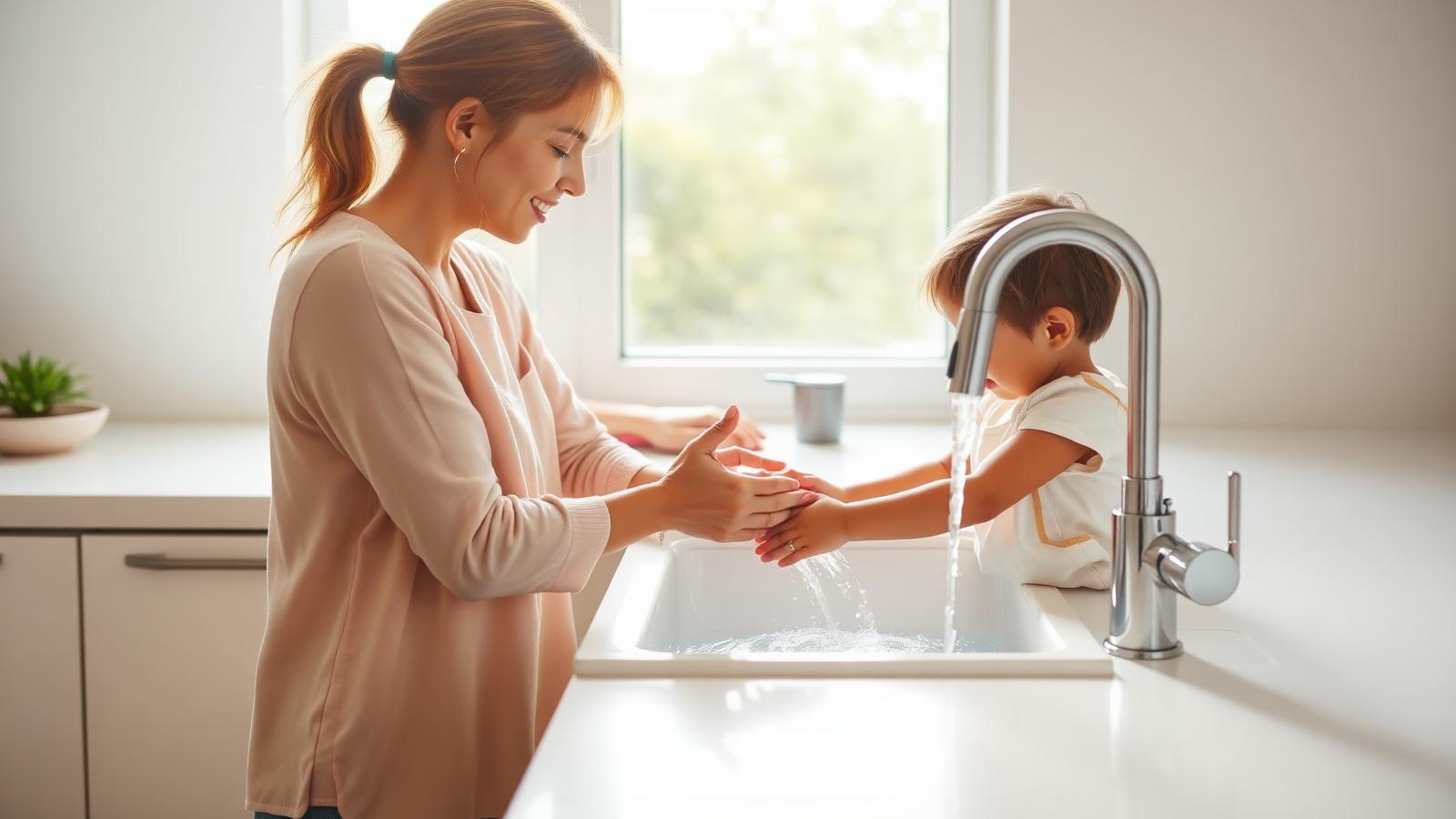
Overall health.
Treated water removes the chlorine taste and odour, the metallic edge from iron, and the sulphur smell that makes people reach for bottled water instead of the tap. When the water in the house tastes good, households drink more of it.
A 5 stage reverse osmosis system at the kitchen sink goes further and reduces dissolved contaminants at the molecular level, so what ends up in a glass, in coffee, and in cooking is filtered water rather than raw supply.
Cost on appliances.
Scale from hard water settles inside water heaters, dishwashers, washing machines, kettles and coffee makers. The manufacturers of these brands advise that softened water helps their equipment run as designed and reach its expected service life: GE, Maytag, Whirlpool, Speed Queen, Hotpoint and KitchenAid. Large manufacturers frame soft water as a maintenance measure, not a guarantee of lifespan.
Many customers report a noticeable drop in their energy bill after treatment, because a scaled element has to work harder to heat the same litre of water. Without a water treatment system, that extra work continues every day the heater runs.
Cleaning costs and time.
Research from the Ohio State University research program on household cleaning found that hard water adds over 33 % to cleaning time, roughly one out of three hours spent scrubbing scale, soap scum and spotting that soft water would not have left behind in the first place.
Soap lathers properly in soft water, so less product does more work. Households typically use less detergent, less shampoo and fewer specialty descaling cleaners once the hardness minerals are gone.
Clothing and wardrobe.
According to the American Laundry Institute, fabrics wear out 15 % faster in raw tap water. Hardness minerals lodge in the weave, stiffen the fabric and grind at the fibres through every wash cycle.
In soft water, detergent rinses out cleanly instead of leaving residue behind, so whites stay brighter and colours hold longer. Iron in the supply is a separate problem: above 0.3 mg/L it leaves rust staining on laundry that is difficult to remove.
Skin.
Research suggests that washing in hard water leaves a film of soap residue on the skin, because the minerals react with soap rather than rinsing away. That residue can clog pores and contribute to dryness.
Research also suggests a link between hard water and eczema flare-ups, particularly in children. Many customers report that skin feels less tight and itchy after showering once the water is softened.
Hair.
The same mineral and soap residue coats hair. It dulls colour, makes hair feel coarse and straw-like, and leaves shampoo behind rather than rinsing clean.
In soft water, shampoo lathers with a fraction of the product and rinses out fully, which is why many customers report that hair feels softer within the first week of treatment.
Spotless dishes.
The spots and cloudy film on glassware are calcium deposits. As hard water dries on a surface it evaporates and leaves the dissolved minerals behind, which is why the spotting reappears after every cycle no matter how carefully the dishes are loaded.
Dishwasher detergent also works harder in hard water, because part of every dose is spent binding up hardness minerals instead of lifting food and grease. In soft water far less detergent achieves a better result, and rinse aid becomes largely unnecessary.
Scale does the same thing inside the machine, coating the heating element, spray arms and jets. Keeping those surfaces clear helps a dishwasher hold its wash performance and reach its expected service life.
Let our experts test the water in your home.
Free, no obligation, and it takes about 30 minutes.
- No payment for the first 6 months
- Local Canadian owned and operated
- Free lifetime warranty
- Free lifetime maintenance and service
- Free water test every year
- Warranty transfers with you